Introduction
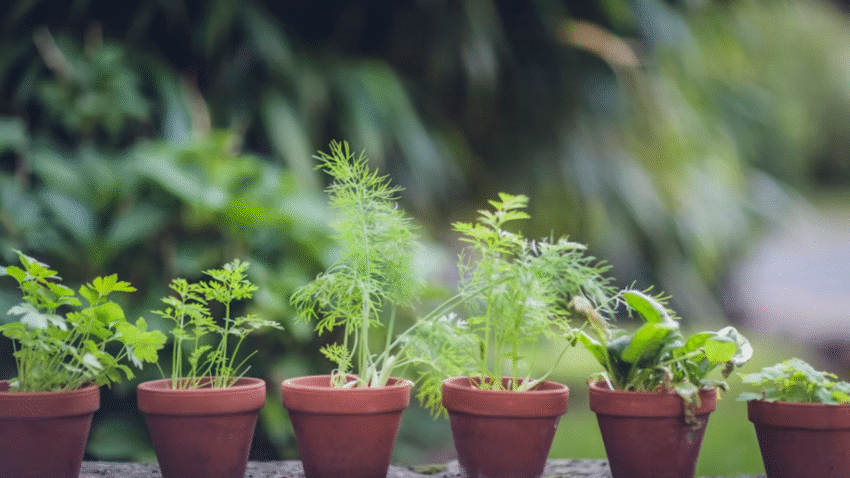
No backyard? No problem! Container gardening lets you grow flowers, herbs, and even vegetables in small spaces—on balconies, patios, or windowsills. But to get thriving plants and big harvests, you’ll need more than just soil and pots. The key is knowing how to choose the right containers, watering schedule, and nutrients for long-term success. In this guide, you’ll learn 10 proven tips for container gardening success, so your plants stay healthy, productive, and beautiful all year long.
Why Container Gardening Matters
Container gardening is one of the most flexible and rewarding ways to garden. It gives you complete control over soil quality, sunlight, and watering while letting you move plants easily as the seasons change.
With the right approach, you can:
- Grow vegetables, herbs, and flowers in limited space.
- Avoid poor soil and garden pests.
- Create portable color displays and fresh harvests year-round.
- Add greenery and calm to any outdoor or indoor area.
Whether you’re a beginner or an experienced gardener downsizing your space, mastering container gardening opens up endless possibilities.
Step-by-Step Guide: 10 Tips for Container Gardening Success
1. Choose the Right Containers
The container you choose can make or break your plants’ success. The size, shape, and material all affect drainage, root growth, and temperature control.
Key points to consider:
- Size: Bigger is better—larger pots hold more soil, stay moist longer, and give roots room to grow.
- Material: Terracotta looks great but dries out fast; plastic and glazed ceramic retain moisture better.
- Drainage: Always choose containers with drainage holes to prevent soggy soil and root rot.
Pro Tip: If your pot doesn’t have holes, drill a few at the bottom or line it with gravel before adding soil.
2. Use High-Quality Potting Mix
Garden soil is too dense for containers. It compacts easily, blocks airflow, and traps water—causing drainage issues. Instead, use a lightweight potting mix made specifically for container plants.
Ideal ingredients:
- Peat moss or coconut coir (for water retention).
- Perlite or vermiculite (for aeration).
- Compost or worm castings (for nutrients).
Refresh the soil every year or two to keep nutrients and structure optimal.
3. Match Plants to Pot Size and Conditions
Every plant has unique root depth and sunlight requirements. Choosing the right pot and location helps them thrive.
Examples:
- Herbs like thyme and basil do well in shallow 20 cm (8-inch) pots.
- Tomatoes, peppers, and dwarf fruit trees need deeper 40–50 cm (16–20 inch) containers.
- Shade-tolerant plants like ferns and begonias prefer indirect light, while sun lovers like geraniums and lavender need full exposure.
Match your plant’s needs to the environment for best growth and yield.
4. Water Consistently and Correctly
Watering is the trickiest part of container gardening. Pots dry out faster than garden beds because they’re exposed on all sides.
Smart watering habits:
- Water early in the morning to reduce evaporation.
- Check moisture by sticking your finger 2–3 cm (1 inch) into the soil—if dry, it’s time to water.
- Water deeply until it runs out of the drainage holes, ensuring the whole root zone is moist.
Group containers by water needs to simplify your routine and avoid over- or under-watering.
Bonus Tip: Use self-watering pots or add a layer of mulch on top to keep soil moist longer.
5. Feed Your Plants Regularly
Nutrients leach out quickly when you water container plants. To keep them thriving, supplement with organic fertilizers throughout the growing season.
How to feed naturally:
- Mix compost or worm castings into the potting mix at planting.
- Use liquid seaweed or fish-emulsion feed every 2–3 weeks.
- Add slow-release organic fertilizer pellets every 6–8 weeks for consistent nourishment.
Regular feeding means stronger roots, vibrant leaves, and better blooms or yields.
6. Ensure Proper Drainage
Good drainage prevents soggy soil and root diseases. Besides using pots with holes, you can take a few extra steps:
- Place a layer of small stones, perlite, or mesh at the bottom of the pot.
- Elevate pots slightly with bricks or pot feet to allow excess water to flow freely.
- Avoid saucers that collect standing water for long periods.
Healthy roots need both water and oxygen—balanced drainage keeps both in check.
7. Rotate and Move Plants for Optimal Light
One of the biggest advantages of container gardening is flexibility. Move your pots as needed to follow the sun, avoid harsh winds, or protect them from frost.
Rotate containers every few weeks to ensure even growth and prevent plants from leaning toward one direction. If indoors, place them near bright windows and occasionally turn them for balanced light exposure.
8. Prune and Deadhead Regularly
Container plants can become overgrown or leggy quickly in confined spaces. Pruning encourages new growth and keeps plants looking tidy.
Simple pruning routine:
- Pinch off yellow or dead leaves.
- Trim long stems to promote branching.
- Remove faded flowers (deadheading) to trigger continuous blooming.
Regular maintenance keeps air flowing around your plants, reducing disease risk and improving overall vigor.
9. Refresh or Repot When Needed
Over time, roots fill the pot, soil becomes compacted, and growth slows down. When that happens, it’s time to repot.
How to repot:
- Gently remove the plant and loosen its root ball.
- Trim away any dead or circling roots.
- Add fresh potting mix to a slightly larger container.
- Replant and water thoroughly.
Repot every 1–2 years (more often for fast-growing plants) to maintain healthy root space and fresh nutrients.
10. Protect Containers from Weather Extremes
Containers are more vulnerable to temperature changes than garden soil. In summer, pots can overheat; in winter, roots can freeze.
Protection tips:
- Move sensitive plants into partial shade during extreme heat.
- Insulate pots in winter by wrapping them in hessian, bubble wrap, or burlap.
- Group pots together to create a microclimate that buffers temperature swings.
These small adjustments help your plants survive and stay strong through every season.
Common Mistakes to Avoid
Mistake 1: Using Garden Soil in Pots
Solution: Always use lightweight potting mix—it drains better and prevents compaction.
Mistake 2: Skipping Drainage Holes
Solution: Drill holes or use inserts to ensure proper outflow.
Mistake 3: Overwatering
Solution: Check soil moisture first—most container plants prefer consistent, not constant, moisture.
Mistake 4: Neglecting Fertilizer
Solution: Feed regularly with compost, liquid feed, or slow-release organics.
Mistake 5: Ignoring Sunlight Needs
Solution: Place pots based on each plant’s light requirements—too much or too little sun limits growth.
Extra Gardening Tips & Hacks
Mix Decorative and Edible Plants
Combine herbs, flowers, and vegetables in one container for color and function—basil with marigolds or lettuce with pansies looks beautiful and deters pests.
Add Water Retention Crystals
Mixing water-holding gel beads or vermiculite into potting mix reduces watering frequency during hot months.
Recycle Containers Creatively
Old buckets, wooden crates, and metal tubs can all become unique, eco-friendly planters—just add drainage holes.
Also read our guide on 15 Hacks for Watering Plants Efficiently to keep your container garden hydrated without waste.
Conclusion
Container gardening offers endless possibilities—even if you have only a balcony or a few square meters of space. By choosing the right pots, soil, watering schedule, and nutrients, you can grow a thriving garden anywhere. These ten tips ensure your container plants stay strong, beautiful, and productive season after season.
🌸 Bookmark this guide to master the art of container gardening and enjoy homegrown beauty wherever you live.