Introduction
Does water pool on top of your garden beds after rain or watering? Poor drainage is one of the most common problems gardeners face—and one of the most damaging. Waterlogged soil suffocates roots, encourages fungal diseases, and can quickly kill even the toughest plants. The good news? You can fix it with a few simple adjustments. In this guide, you’ll learn 8 effective tips to improve drainage in your garden beds, so your plants stay healthy, strong, and thriving all year round.
Why Good Drainage Matters for Your Garden
Healthy soil needs both water and air. When the soil holds too much water, air spaces fill up, depriving roots of oxygen. This leads to rot, stunted growth, and nutrient lockout. On the other hand, well-drained soil keeps moisture available while allowing excess water to escape naturally.
Good drainage ensures that:
- Roots can breathe and absorb nutrients effectively.
- Soil structure remains stable and crumbly.
- Microorganisms thrive, supporting healthy plant growth.
- Water doesn’t pool, preventing mold and root rot.
Whether you have heavy clay, compacted earth, or raised beds that trap water, improving drainage will transform your garden’s performance.
Step-by-Step Guide: 8 Tips to Improve Drainage in Garden Beds
1. Loosen and Aerate the Soil
Compacted soil is the number one cause of poor drainage. Over time, rain and foot traffic compress soil particles, squeezing out air pockets that water needs to move through.
How to fix it:
- Use a garden fork or broadfork to gently loosen the top 20–30 cm (8–12 inches) of soil.
- Avoid tilling too deeply—it can disrupt soil structure.
- Mix in coarse materials like sand, compost, or perlite as you loosen the soil.
This creates pathways for air and water, allowing moisture to drain more efficiently while roots spread more easily.
Pro Tip: Avoid walking on your garden beds. Compaction from foot traffic reverses your hard work. Use stepping stones or designated paths instead.
2. Add Organic Matter Regularly
Organic matter—such as compost, aged manure, or leaf mold—works wonders for improving drainage. It lightens heavy clay soil and helps sandy soil retain just enough moisture.
How to do it:
- Spread 5–8 cm (2–3 inches) of compost over the bed once or twice a year.
- Work it into the top 15–20 cm of soil.
- Repeat annually to build long-term soil structure.
Organic material creates air pockets as it decomposes and feeds beneficial microbes that naturally aerate the soil.
Bonus: It also boosts fertility, so you’re improving drainage and nutrition at the same time.
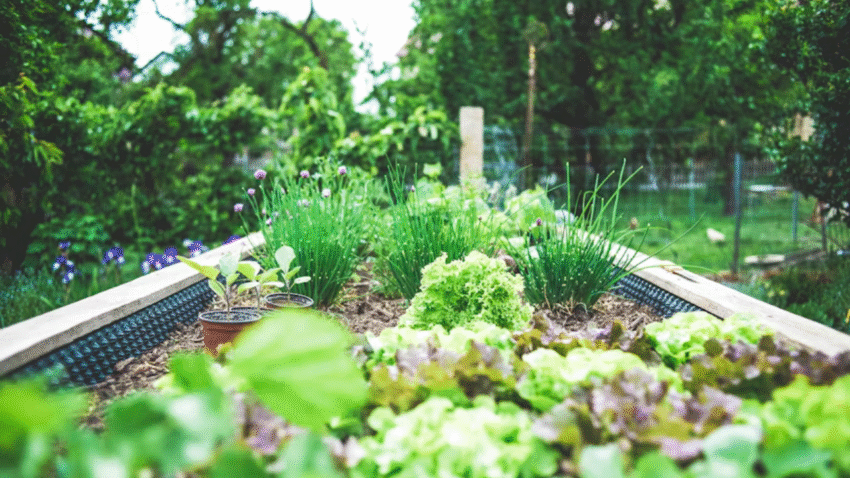
3. Create Raised Beds or Berms
If your garden area naturally retains water, consider elevating your planting zones. Raised beds and berms (mounded soil beds) encourage gravity to do the drainage work for you.
Tips for building raised beds:
- Make them at least 20–30 cm (8–12 inches) high.
- Fill with a well-balanced mix: 50% topsoil, 30% compost, and 20% coarse sand or perlite.
- Use untreated timber, bricks, or stones to frame the beds.
Raised beds allow excess water to drain away while keeping the root zone aerated and dry.
4. Mix in Drainage-Improving Materials
Amending your soil with coarse materials helps break up dense clumps and improves water movement.
Add one or more of the following:
- Coarse sand: Loosens clay but only when mixed with organic matter.
- Perlite or vermiculite: Improves air circulation and water flow.
- Pumice or small gravel: Great for heavy or compacted soil.
- Coconut coir or peat moss: Retains moisture evenly in sandy beds.
Be sure to mix these amendments thoroughly into the top layer for even distribution.
5. Install Drainage Channels or French Drains
For gardens with chronic waterlogging, physical drainage systems may be needed. A simple French drain or gravel-filled trench helps redirect excess water away from your garden beds.
How to create one:
- Dig a trench about 30–40 cm (12–16 inches) deep along the lowest side of your bed.
- Line it with landscape fabric.
- Fill with gravel or crushed rock.
- Cover with fabric again and top with soil or mulch.
This channel directs water to a lower area or drain, keeping your garden bed free from puddles and standing water.
6. Improve Bed Layout and Slope
Water naturally flows downhill, so your bed’s layout can either help or hinder drainage. If your garden is on flat or low-lying ground, it might hold water longer than ideal.
Solutions:
- Slope your garden bed slightly (about 1–2%) so water runs off gently.
- Avoid creating depressions where water can collect.
- Place water-loving plants in naturally wet areas and drought-tolerant ones higher up.
Proper design ensures excess water flows away naturally rather than pooling around your plant roots.
7. Use Mulch Wisely
Mulch can both protect and improve soil drainage when used correctly. Organic mulch prevents compaction, regulates temperature, and maintains moisture balance—keeping the topsoil airy and absorbent.
How to use it:
- Apply a 5 cm (2-inch) layer of bark chips, straw, or compost.
- Keep mulch away from plant stems to prevent rot.
- Replenish annually as it decomposes.
Mulch absorbs excess water during heavy rain and releases it slowly, preventing waterlogging and erosion.
Caution: Avoid plastic or synthetic mulches—they block airflow and trap excess moisture.
8. Choose the Right Plants for Your Soil Type
Sometimes the best way to deal with poor drainage is to work with it, not against it. Select plants suited to your soil’s natural moisture level.
For damp soils:
- Iris
- Ferns
- Hostas
- Elephant ears
For well-drained soils:
- Lavender
- Rosemary
- Yarrow
- Sedum
Matching plants to your soil type minimizes stress and ensures long-term health, even if drainage isn’t perfect everywhere.
Common Mistakes to Avoid
Mistake 1: Adding Sand Alone to Clay Soil
Solution: Always mix sand with compost or organic matter—sand by itself turns clay into concrete-like soil.
Mistake 2: Overwatering in Poorly Drained Beds
Solution: Check soil moisture before watering. Only water when the top 2–3 cm (1 inch) feels dry.
Mistake 3: Ignoring Compaction from Foot Traffic
Solution: Use stepping stones or pathways to avoid compressing garden beds.
Mistake 4: Neglecting to Refresh Organic Matter
Solution: Add compost annually—drainage improvements fade without consistent soil care.
Mistake 5: Planting in Depressions
Solution: Always elevate planting zones or choose raised beds for water-prone areas.
Extra Gardening Tips & Hacks
Add Worms to the Soil
Earthworms naturally aerate the soil and improve drainage by creating channels for air and water.
Combine Mulch with Cover Crops
Planting cover crops like clover or rye in winter prevents compaction and keeps soil loose for spring.
Use Pots Inside Beds
If drainage issues persist, plant sensitive crops in large pots placed within beds—giving roots better aeration while maintaining aesthetics.
Also read our guide on how to keep soil healthy year-round to maintain perfect structure, fertility, and drainage through every season.
Conclusion
Good drainage is the backbone of a thriving garden. With a few smart changes—like loosening soil, adding compost, building raised beds, and improving slope—you can create the perfect environment for roots to breathe and flourish. Whether you’re growing vegetables, herbs, or flowers, these eight simple tips will keep your soil balanced, your plants healthy, and your garden vibrant through every season.
🌱 Bookmark this guide to transform soggy garden beds into perfectly drained, flourishing soil beds for years to come.