Introduction
Love gardening but feel like there’s never enough time? Between watering, weeding, pruning, and planting, even small gardens can feel like a full-time job. But what if you could keep your garden thriving without spending hours every week maintaining it? The secret is working smarter, not harder. In this guide, you’ll learn 10 time-saving gardening shortcuts that help you grow a healthy, beautiful garden while cutting your workload in half.
Why Time-Saving Gardening Matters for Your Garden
Gardening should be enjoyable—not overwhelming. Smart shortcuts not only free up your time but also make your garden more efficient, productive, and self-sustaining.
By simplifying repetitive tasks like watering, feeding, and weeding, you can focus more on the parts of gardening you actually love. Time-saving techniques also reduce stress on plants by creating consistent growing conditions, improve soil health, and prevent mistakes that come from rushing through chores.
Whether you have a few pots on a balcony or a full backyard of flower beds, these practical hacks will help you maintain your garden effortlessly while still reaping big results.
Step-by-Step Guide: 10 Time-Saving Gardening Shortcuts
1. Use Mulch Everywhere
Mulching is one of the simplest ways to save time and energy in the garden. A 2–3 inch layer of organic mulch (like wood chips, straw, or compost) locks in moisture, suppresses weeds, and regulates soil temperature—all while improving soil structure as it breaks down.
You’ll water less, weed less, and spend more time enjoying your garden. Reapply mulch once or twice a year to maintain effectiveness.
Tip: Choose coarse mulch like bark for flower beds and finer mulch like straw or compost for vegetables.
2. Install a Drip Irrigation System
Stop wasting time hand-watering every plant. A drip irrigation system or soaker hose delivers water directly to roots where it’s needed most, saving up to 70% more water than sprinklers.
Attach it to a timer for even greater efficiency—set it to water early in the morning when evaporation is lowest. Once installed, it practically runs itself.
3. Choose Low-Maintenance Plants
Not all plants demand constant care. Opt for drought-tolerant, pest-resistant, and hardy species that thrive with minimal intervention.
Try:
- Lavender, rosemary, and sage for herbs.
- Marigolds and zinnias for colorful, easy flowers.
- Native plants that naturally adapt to your local climate.
Less fuss means more time for you—and plants that stay beautiful all season long.
4. Grow in Raised Beds or Containers
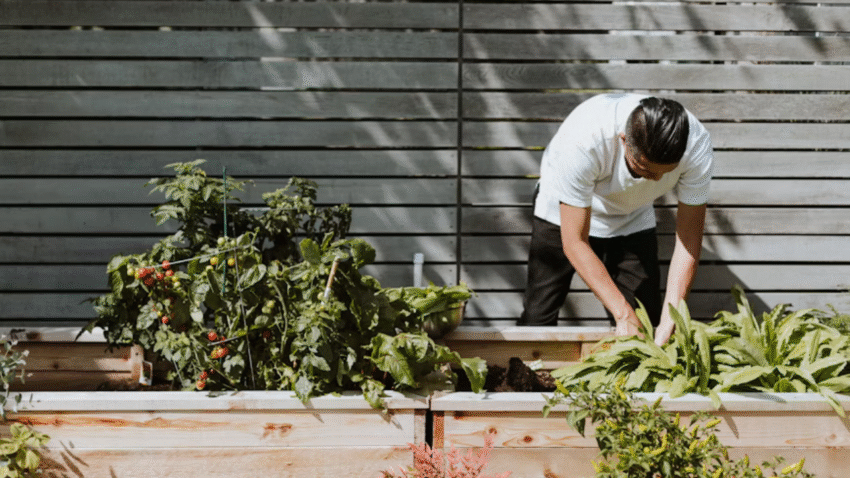
Raised beds and containers are easier to manage than sprawling garden plots. They warm up faster in spring, have fewer weeds, and allow you to control soil quality.
Position them close to your house for convenience and easy access to water. By grouping similar plants together—like herbs, greens, or flowers—you’ll reduce time spent walking, watering, and weeding across your yard.
5. Feed Plants with Slow-Release Fertilizer
Instead of mixing liquid feed every week, use slow-release organic fertilizer pellets or compost at the start of each growing season. These provide steady nutrition over time, meaning less effort for you and fewer feeding sessions.
Combine this with top-dressing beds with compost twice a year to naturally replenish nutrients and maintain long-term soil fertility.
6. Batch Your Gardening Tasks
Save time by grouping similar jobs together instead of tackling them piecemeal.
For example:
- Watering: Do it all in one session early in the morning.
- Pruning: Trim back all shrubs and deadhead flowers at once.
- Planting: Add multiple plants or seeds in batches rather than individually.
This approach keeps you focused, reduces setup time, and helps you work more efficiently across your garden.
7. Reuse and Repurpose Tools and Materials
Instead of constantly running to the store, repurpose household items to save time and money:
- Plastic bottles: Turn into self-watering systems.
- Egg cartons: Use as seed starters.
- Buckets and tubs: Double as portable garden waste bins.
- Old spoons or forks: Use as plant markers.
Having DIY tools ready means you can solve small problems instantly without pausing your garden flow.
8. Prevent Problems Before They Start
An ounce of prevention saves hours of repair. Healthy soil, proper spacing, and regular observation reduce future problems dramatically.
Quick preventive habits:
- Rotate crops annually to avoid pests and diseases.
- Prune plants before they become overgrown.
- Add compost to strengthen soil microbes.
- Check leaves weekly for early pest signs.
Fixing issues when they’re small saves far more time than trying to rescue sick or dying plants later.
9. Let Nature Do the Work
Encourage nature’s helpers—birds, bees, and beneficial insects—to take on some of your workload.
- Ladybugs and lacewings eat aphids.
- Earthworms aerate and enrich the soil.
- Bees and butterflies pollinate vegetables and flowers.
- Mulch and cover crops protect soil naturally from erosion and weeds.
The more balanced your garden ecosystem, the less you’ll need to interfere manually.
Pro Tip: Plant pollinator-friendly flowers like cosmos, sunflowers, or lavender to attract beneficial insects year-round.
10. Keep Your Tools Organized and Sharp
Wasting time looking for tools—or struggling with dull ones—can make gardening more frustrating than fun. Keep everything in one place using a small garden caddy, pegboard, or wall hooks near your work area.
Clean and sharpen tools regularly. Sharp pruners make faster, cleaner cuts that heal quickly and prevent disease spread. Oil your tools lightly after each use to prevent rust and extend their lifespan.
Bonus Tip: Keep a small “grab-and-go” tool bucket stocked with gloves, trowel, and pruners so you can tackle quick jobs anytime.
Common Mistakes to Avoid
Mistake 1: Overcomplicating Your Garden Design
Solution: Keep layouts simple. Fewer beds and grouped plants are easier to manage than scattered ones.
Mistake 2: Watering Inefficiently
Solution: Use timers, drip lines, and early-morning schedules to avoid waste.
Mistake 3: Ignoring Soil Health
Solution: Feed your soil with compost—it reduces future maintenance and improves plant resilience.
Mistake 4: Trying to Do Everything at Once
Solution: Focus on one task per day or week to stay productive without burnout.
Mistake 5: Neglecting Regular Maintenance
Solution: Small, consistent care prevents large, time-consuming problems later.
Extra Gardening Tips & Hacks
Keep Tools Handy
Store small essentials like gloves, pruners, and twine in a waterproof bucket or hanging pouch near your main garden area.
Automate Where You Can
Automatic lights, timers, and irrigation reduce repetitive tasks and keep your garden consistent even when you’re busy.
Choose Perennial Plants
Perennials like daylilies, hostas, and lavender return year after year, saving you planting time every spring.
Also read our guide on how to make compost from kitchen scraps to save time and money while enriching your soil naturally.
Conclusion
Gardening doesn’t have to be time-consuming to be rewarding. With a few smart shortcuts—like drip irrigation, mulching, dense planting, and organized tools—you can create a thriving garden that practically takes care of itself. The key is to plan ahead, simplify your routine, and let nature handle as much of the work as possible.
🌿 Bookmark this guide to keep your garden flourishing while saving time every week—because the best gardens are the ones you actually have time to enjoy.